About
Reza Habib, PhD
Cognitive psychologist, neuroscientist, and academic leader.
Associate Professor of Psychology, Southern Illinois University.
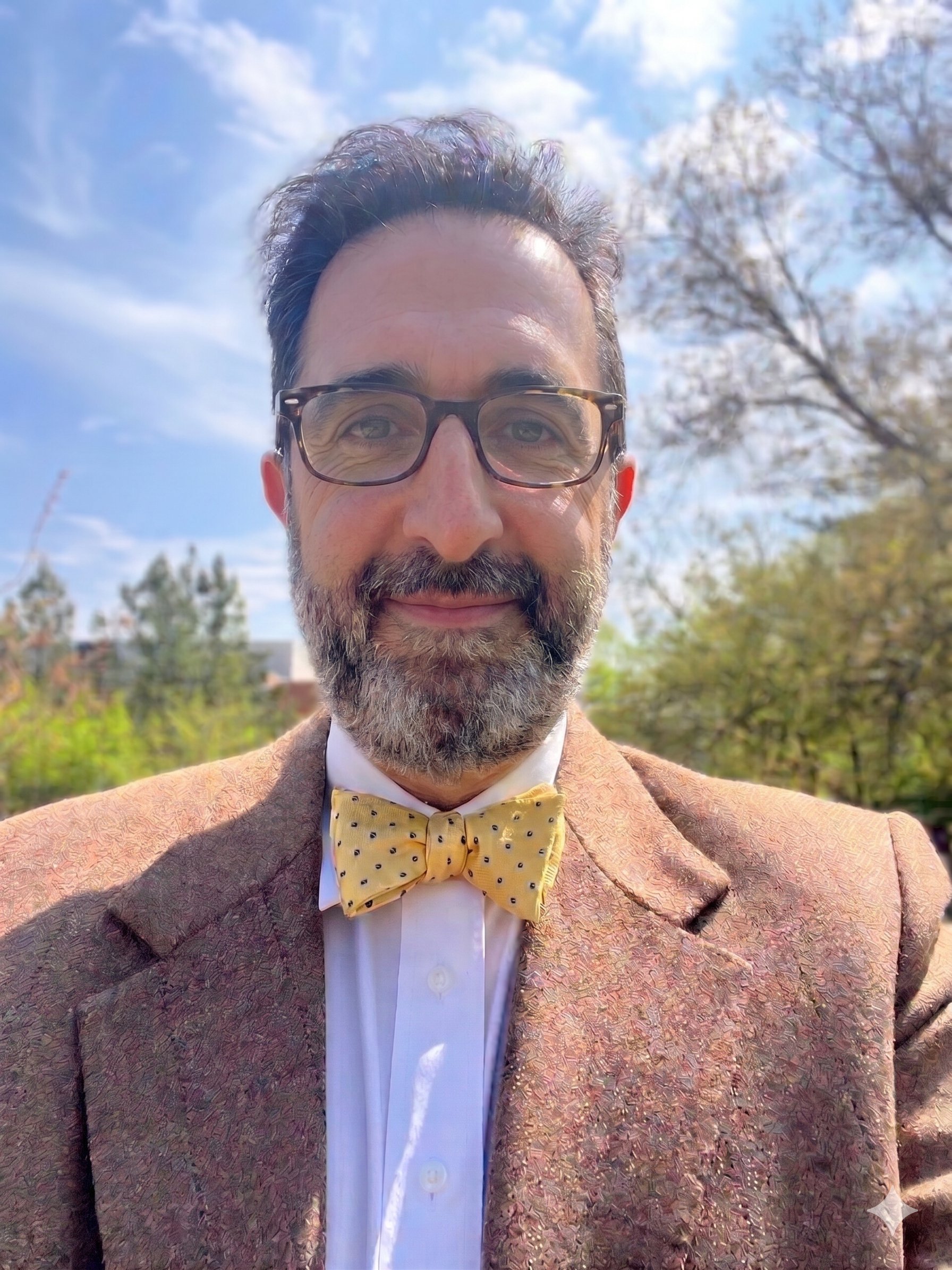
I've spent 25 years trying to understand why people make the decisions they do — and what happens in the brain when those decisions go wrong.
As a cognitive neuroscientist at Southern Illinois University, my research uses brain imaging to examine memory, impulsivity, and decision-making. My work on pathological gambling — particularly the neuroscience of the "near-miss effect" — has been published in leading scientific journals and featured in The Atlantic, Time Magazine, and NPR's This American Life. With an h-index of 32 and more than 7,900 citations, my research has shaped how scientists, clinicians, and policymakers understand behavioral addiction.
For the past six years I've also served as a senior academic administrator — overseeing a $2M budget, 25 faculty members, and 500+ students. That experience gave me something most researchers don't have: a deep understanding of how organizations actually work, make decisions, and use data.
I bring both of those things — rigorous scientific expertise and practical organizational experience — to every engagement. Whether I'm helping a legal team understand the neuroscience of gambling disorder, advising a behavioral health startup on research design, or helping an institution make sense of its data, my goal is the same: to make complex science useful.
I'm currently accepting selective engagements for expert witness work, scientific advisory roles, research consulting, and speaking.
Get in TouchAwarded by the Society for the Quantitative Analysis of Behavior for the most-cited paper in the Journal of the Experimental Analysis of Behavior over a three-year period — "Neurobehavioral evidence of the 'near-miss' effect in pathological gamblers" (2010), which used fMRI to reveal how near-wins activate brain reward circuits similarly to actual wins.
Research featured in The Atlantic, Time Magazine, and This American Life. Research also cited extensively in The Power of Habit by Charles Duhigg (#1 New York Times Bestseller, 3+ million copies sold) — Duhigg interviewed Habib while researching the neuroscience of habit and gambling, drawing on his fMRI findings throughout the book's chapter on the Harrah's casino story.